Wings Fight Map & Sky Awareness
Altitude scans, third-party reads, repair-beacon danger, exit vectors, and spawn-ins for crowded aerial lobbies.
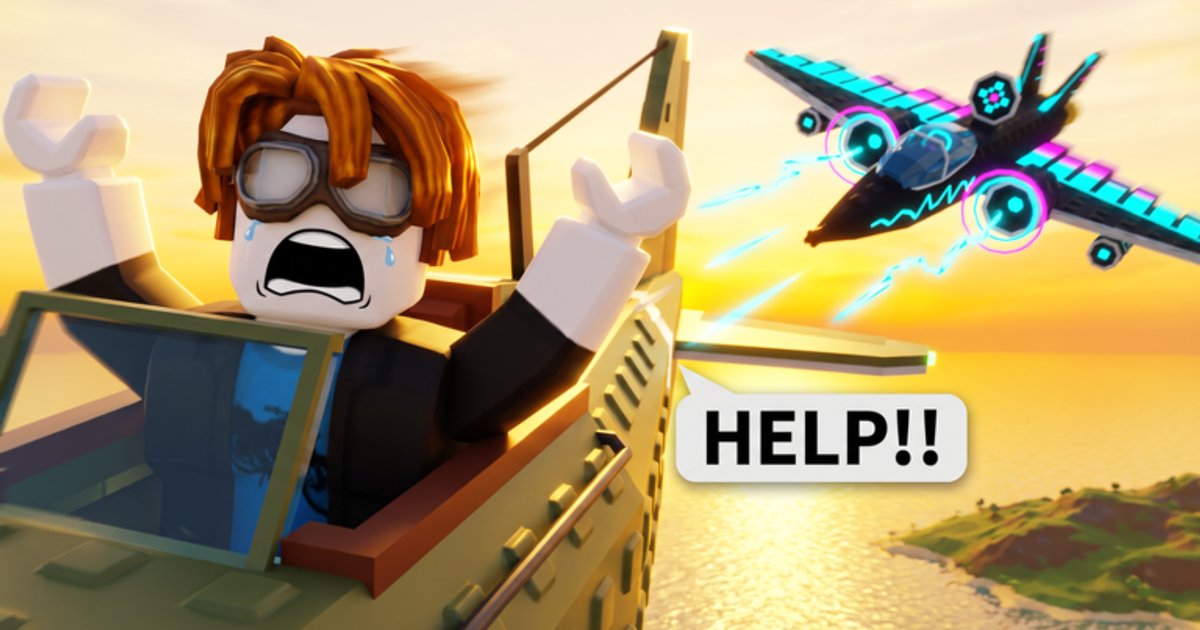
Mechanics win a clean 1v1. Map awareness wins the night in Wings Fight. Clickingg’s free Roblox arcade aerial fighter packs 30+ airplanes, mid-air repairs, and special abilities into servers capped at 10 players. That population is small enough that every chase is public and every glowing repair is a meeting point — yet large enough that someone is always above you, beside you, or spawning into your blind cone. This page is the deep sky-awareness companion to Dogfight Habits. Pair it with gun and energy fundamentals from the Combat Guide and pickup timing from Abilities & Repairs.
If your deaths feel “random,” they are usually information failures: altitude you did not clear, a beacon you advertised, or an exit you never planned.
The awareness stack (scan in this order)
Build a repeatable scan so panic does not invent a new habit every life:
- Above you — who owns the high perch?
- Your merge — energy state of you and the target
- Flanks / opposite band — second contacts closing laterally
- Repair glows — contested vs safe
- Exit vector — where you go if a third full-health plane arrives
- Spawn pressure — fresh planes entering your quadrant
Run the stack before long pursuits, after every kill, and whenever you commit to a crate. Ten-player FFA punishes pilots who only stare at one red marker.
Altitude scans — vertical is information
Arcade flight still respects height as options. High and fast means you can dive for a shot, extend away, or deny a repair race. Low and slow means you are content for anyone with a spare second.
Practical altitude habits
- Before a chase longer than a few seconds, pitch the camera through the cone above the furball.
- After a pass, do not park in the same band where two wrecks just happened — spectators love that altitude.
- When soft, climb first if the sky above is clear; diving to a contested floor heal is how third parties farm you.
- Read silhouettes against bright sky vs terrain clutter; mobile players especially should favor readable bands (see Mobile & Console if your screen hides vertical threats).
Altitude is not a moral high ground. It is a timer you spend. Spend it on purpose.
Third parties — default weather, not bad luck
In a 10-player sky, arriving late to a 1v1 is free value only if you leave on time.
When you are the third
- Enter with height and speed.
- Identify the more damaged pilot.
- Take one high-percentage pass.
- Reassess: did both turn on you?
- If yes, extend and reset; if no, deny their repair or take one more pass.
- Never become the new slow circle in the scrap you just joined.
When you are being third-partied
- Convert to extend the moment a second healthy contact appears with altitude.
- Do not pride-finish a kill that gifts a fresh interceptor your tail.
- Spend defensive tools only if guns are already incoming; save mobility for the exit.
- Head toward a different repair lane than the one the whole lobby watched you bleed toward.
Tunnel vision is the most expensive habit on this map — any map — when nine other pilots can see your tracer stream.
Repair beacon camping — read the glow, not the greed
Mid-air repairs are core, not optional flavor. They also create predictable destinations.
Danger signs a beacon is camped
- Multiple trails already diving the same glow
- A recent kill nearby with survivors still circling
- An interceptor silhouette holding high above the crate
- Your hull is soft and your ability is spent — worst time to contest
Safer repair patterns
- Scoop peripheral crates on the way to altitude resets
- Change band after every collect so your path is boring to punish
- Accept a longer route to a quiet heal over a greedy 1v3 on the contested beacon
- If you must contest, arrive with energy and an exit, not with hope
Deep pickup routing lives in Abilities & Repairs. Awareness here is knowing when the crate is a trap.
Exit vectors — decide before you need them
Every commit should answer: “If this goes bad in three seconds, where do I go?”
Good exits usually combine:
- Vertical separation — climb or dive through a band opponents are not holding
- Lateral break — leave the furball’s horizontal circle
- Line-of-sight break — use terrain, sun glare, or simply distance if the flight model allows
- Resource reset — full hull, altitude, and cooldown before re-entry
Bad exits:
- Straight line through the middle of the scrap
- Same repair everyone saw you leave
- Flat turn “just one more spray” with no energy
- Ability panic with nowhere to go after the burst ends
Disengaging is a skill cue, not a white flag. Habit language for when to leave sits on Dogfight Habits; this page insists you pre-pick the geometry.
Spawn-ins — the sky refreshes behind you
With a max of ten players, spawn-ins swing local numbers fast. A duel you are winning can become a 1v2 when a fresh plane loads into your quadrant.
Spawn awareness habits
- After a kill near a common entry band, clear behind and above before looting the moment
- Do not hard-park as a permanent spawn door farmer — it empties lobbies and teaches less than contested mid-band fights (fair-play rotation notes on the habits page)
- When you are the one spawning in, take a second to scan altitude before you announce yourself with guns
- Soft new airframes in a learning lobby deserve a breath if you want practice partners to remain — optional courtesy, still compatible with winning
Spawn pressure exists. Making it your only personality empties the server you need for reps.
Audio and visual clutter management
Full lobbies hide information inside spectacle.
- Treat ability VFX as a cue that someone nearby just spent a resource — opportunity or danger
- Do not stare at your own tracers; flick the scan stack between bursts
- On low-end devices, lower graphics so silhouettes stay readable (Mobile & Console)
- If name tags and glows overwhelm you, shrink your focus to the two-contact rule
Awareness is selective attention, not seeing everything at once.
Lobby reads that change your pathing
- Sky full of interceptors: hold mid-high, punish overstays after their dives, refuse slow circles — hangar context on Best Starter Planes and Planes Tier List
- Sky full of tanks: bring speed, boom-and-zoom, never accept a grind circle on the floor
- Mixed chaos: flexible pathing + repair discipline beats greedy glass commits
- Quiet server: practice deliberate scans anyway so habits survive the next full lobby
Mini drill — five lives of pure awareness
- Life 1 — verbalize (or think) the six-step scan before every chase.
- Life 2 — third-party once with a timer; leave on schedule.
- Life 3 — refuse one contested beacon on purpose; take the long heal.
- Life 4 — pre-call an exit before a merge; use it once even if you could have greed-killed.
- Life 5 — after each death, tag awareness vs mechanics vs loadout vs ego.
Most “I need a new plane” nights are awareness nights in disguise. Fix the tag before you open the shop.
How awareness connects to progression
Clean sky reads raise survival time, which raises currency, which funds smarter hangar buys (Currency Farming, Planes Guide). They also make codes and patches matter more — free value and balance swings help pilots who are already alive long enough to use them (Codes, Updates).
Bottom line
In Wings Fight’s 10-player FFA sky, map awareness means altitude first, third parties on a timer, repairs treated as contested objectives, exits chosen early, and spawn-ins expected. Play the whole volume, not one marker. Stack that with combat fundamentals and dogfight habits, and “random” deaths start looking like readable mistakes you can fix next life.
Clear skies — scan high, leave on time, and make your repair path boring to punish.
Frequently Asked Questions
Quick answers to the most common questions.
How do I stop dying to third parties in Wings Fight?
Clear altitude before long pursuits, pre-plan an exit, and convert to extend when a second healthy contact arrives with height. Third parties are normal in 10-player lobbies.
Should I always contest mid-air repair beacons?
No. Skip camped glows when you are soft or ability-spent. Take longer safe routes, change altitude after collects, and arrive with energy if you must contest.
What is an exit vector?
A pre-chosen escape path using vertical separation, lateral breaks, and a full resource reset. Decide it before the merge goes bad—not after you are already low and slow.
How do spawns affect map awareness?
Fresh planes can swing a local 1v1 into a 1v2 in seconds. Clear behind and above after kills near entry bands, and scan before you announce a spawn-in with guns.
What should I read with this awareness guide?
Dogfight Habits for lobby routines, Combat Guide for energy and guns, and Abilities & Repairs for pickup timing under pressure.