Wings Fight Planes Tier List
Community-style S–F rankings for arcade aerial combat—roles, reasoning, and patch caveats for a new game.
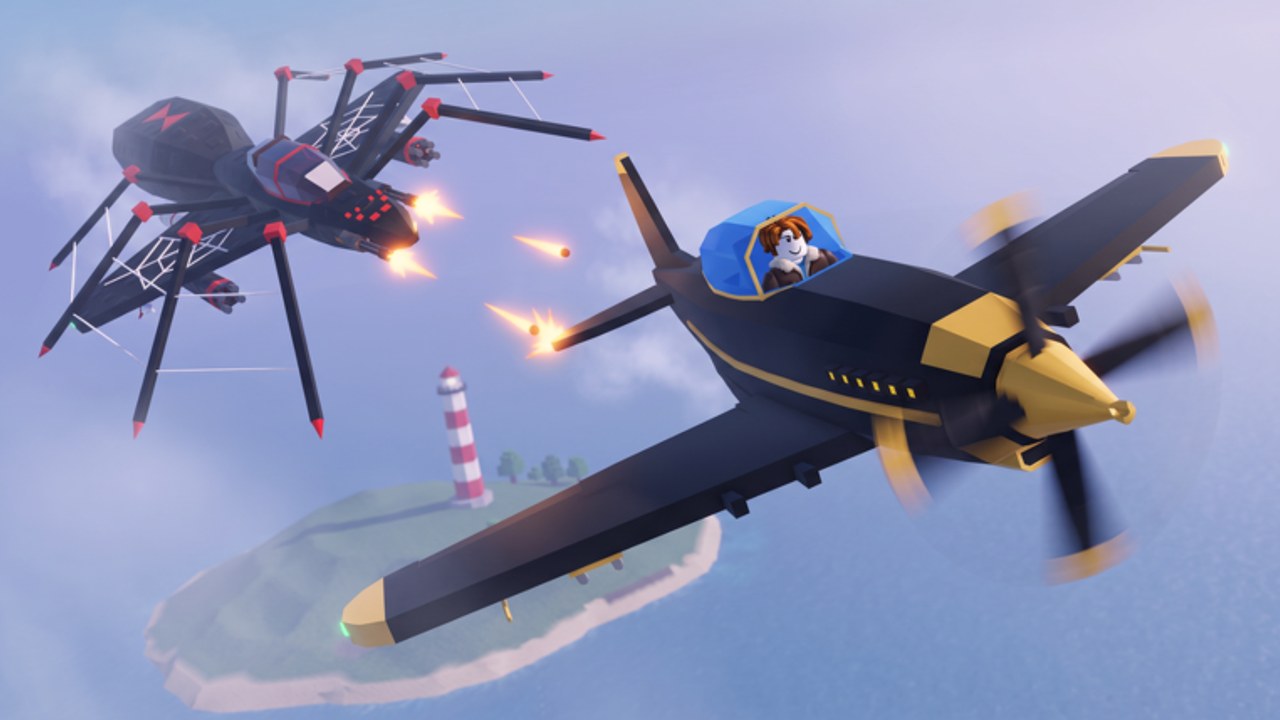
This Wings Fight planes tier list ranks early-meta strength for Clickingg’s Roblox arcade aerial combat game using four lenses: speed, firepower, survivability, and special ability impact. Wings Fight launched on 4 November 2026 with 30+ unique airplanes, mid-air repairs, and special abilities in servers of up to ten players. Because the title is new, treat every placement as community-style guidance, not gospel. Patches will move airframes overnight—recheck the updates hub and retest in-game before you spend a large currency stash.
Use this page with the planes guide for purchase planning and the combat guide for the tactics each tier expects. Hangar display names vary; match the role archetypes below to the live shop cards (speed/HP/gun/ability text) rather than memorizing a brittle proper-noun list that a balance hotfix can invalidate.
How we rank (criteria)
- S — Shapes the lobby. Wins fair merges and still has escape tools or repair tempo.
- A — Excellent in the right hands; small weaknesses skilled pilots can play around.
- B — Solid learners and flex picks; not free wins, not traps.
- C — Playable with effort; often outclassed when the enemy knows the matchup.
- D — Situational or heavily outpaced by current shop peers.
- F — Novelty / last-resort until a buff. Fine for fun, poor for climbing.
Weighting for early Wings Fight: ability timing and survivability slightly outrank raw speed, because mid-air repairs create comeback windows and ten-player third parties punish glass that cannot leave. Pure speed still matters for interceptors that live on boom-and-zoom.
S tier — lobby pilots
Elite interceptors with strong mobility specials. High cruise, clean guns, and an ability that either secures the exit after a dive or denies a repair race. They convert altitude into kills without needing endless turn wars. In crowded skies they third-party, scoop a safe repair, and leave before the 1v2 collapses.
Why S: Speed plus ability lets them choose fight length. Firepower is “enough” rather than meme-burst; survivability is average but rarely tested because they refuse bad merges.
How to beat: Force them low, camp the repair they need after a pass, and refuse head-ons when you are already chipped. Tanks that keep energy can absorb one dive and punish the overstay.
Who should buy: Players who finished controls tuning and already practice boom-and-zoom from the combat guide.
A tier — excellent mains
Flexible mid-tier fighters that balance turn, guns, and a forgiving defensive or hybrid ability. Top tanks with enough nose authority to threaten, not only soak. High-skill glass cannons whose offensive special deletes a committed target if the pilot lands the setup.
Why A: They cover mistakes better than S glass or punish greed when S interceptors linger. In early meta they are the best “main forever” investments because patches rarely dump them to F overnight.
How to play: Mid-band control, disciplined repair timing, ability held for committed enemies. See role notes in the planes guide.
Watchouts: Glass A-tiers fall to C-tier junk if you take ego head-ons. Tanks in A still lose if they never climb.
B tier — honest workhorses
Starter-plus upgrades, balanced all-rounders, and support/utility frames that shine with teammates or objective-style chaos. B-tier is where most day-one purchases should land.
Why B: Stats are coherent; abilities are useful but not lobby-warping. You can learn energy fighting without feeling cheated every spawn.
Upgrade path: Master a B main, then spend on an A/S interceptor or tank that matches the role you already understand—do not leap to an F novelty because the trailer looked cool.
Codes tip: Redeem free currency from the codes hub before buying past B so your first A purchase lands sooner.
C tier — effort picks
Slow heavies without strong guns, fragile trainers past the learning window, and utility planes whose specials are awkward in pure FFA. They teach patience and can upset egos, but equal pilots on B+ frames usually win the resource war (repairs, altitude, ability uptime).
When C is fine: Completing the roster, meme nights, or practicing defense under pressure. When to skip: You are still unlocking your first serious upgrade—read getting started instead.
D tier — situational
Extreme specialists that demand perfect maps, perfect modes, or perfect stacks. Examples in arcade design language: ultra-slow brick with a niche defensive ability, or a speedster with paper HP and a weak gun. One patch note can rescue them; until then, treat them as side grades.
Play pattern if you insist: Third-party only, never open the round mid-band, and chain repairs religiously. Study escapes in the combat guide.
F tier — park it for now
Novelty / joke airframes and clearly outpaced early shop leftovers. Fly them for highlights, not for progression efficiency. If a favorite sits here, watch updates for buffs before investing upgrade currency.
Role summary table (early meta)
| Role | Typical tier band | Win condition | Lose condition |
|---|---|---|---|
| Interceptor | S–A | Dive, burst, extend | Flat turn war, no exit |
| Tank / heavy | A–B | Absorb, trade, repair | Perma-low energy |
| Glass cannon | A–C | First clean special | Any messy head-on |
| Support / utility | B–C | Deny space / help allies | Isolated 1v1 vs S interceptor |
| Starter trainer | B early → C later | Learn binds | Staying too long |
Spending advice tied to tiers
- Do not buy F/D until you own a comfortable B or A main.
- Prefer A flexible fighters over S interceptors if your aim is still shaky.
- Keep a B tank as a tilt-proof backup.
- Re-evaluate S after every patch—overtuned ability numbers get nerfed first.
- Cross-check purchases with the planes guide grind and save rules.
Sample lobby reads
- Lobby full of S interceptors: Take a tank or flexible A, hold mid-high perch, punish overstays after their dives.
- Lobby full of tanks: Bring interceptor speed, boom-and-zoom, never accept a slow circle.
- Mixed chaos: B all-rounder plus repair discipline beats greedy glass.
Why this list will change
Arcade aerial games iterate fast: ability cooldowns, repair spawn rates, gun DPS, and shop prices all move. A plane that feels S because repairs are scarce becomes A when crates flood the map. Conversely, a C utility frame can jump tiers if a new mode rewards zone tools. That is why this wiki separates fundamentals (combat guide) from snapshots (this page).
After each Clickingg update:
- Skim updates.
- Retest your main for five lives.
- Adjust this mental tier—do not trust week-old chat lore alone.
- Update your hangar using the planes guide.
Fair-play note
Climb with mechanics, not risky shortcuts. If you explore automation topics, read the scripts hub and understand platform rules. Tier lists assume clean servers.
Bottom line
Early Wings Fight meta favors interceptors with real escape tools and flexible A-tier fighters, while pure novelty frames sit low until buffs. Buy for the role you can execute, not the letter alone. Combine this ranking with combat fundamentals and patch awareness, and your next hangar purchase will survive the first balance swing instead of rotting in F tier.
Frequently Asked Questions
Quick answers to the most common questions.
Is this Wings Fight tier list official?
No. It is community-style early-meta guidance for a game that released on 4 November 2026. Always verify in the live hangar after patches.
What stats matter most for rankings?
Speed, firepower, survivability, and special ability impact. Ability timing and survivability get a slight early-meta edge because repairs and third parties punish glass.
Should I only buy S-tier planes?
Not if you cannot fly them. Many pilots climb faster on A/B flexible fighters until boom-and-zoom and repair habits are solid.
Why rank by roles instead of every hangar name?
Wings Fight is new and balance shifts quickly. Role archetypes stay useful when individual shop names and numbers change—match them to live stat cards.
Where do I learn to actually use an S-tier interceptor?
Study boom-and-zoom and repair timing in the combat guide, confirm binds in controls, and follow purchase planning in the planes guide.