Wings Fight Combat Guide
Energy, angles, repairs, and ability timing—how to fight stronger pilots in arcade aerial combat.
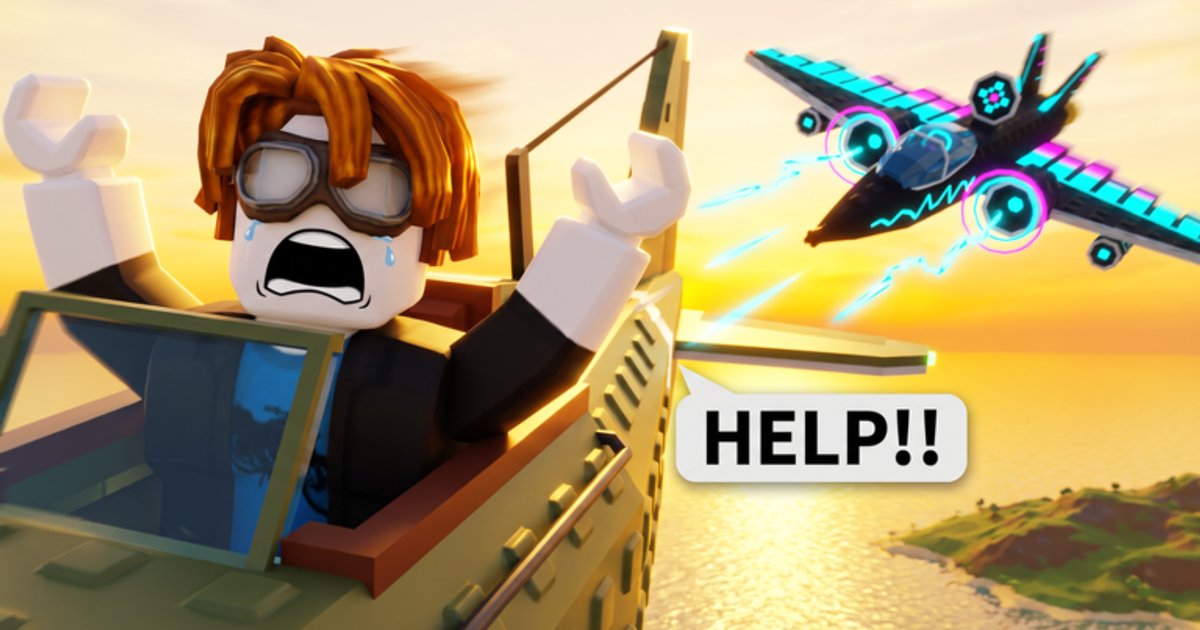
Wings Fight rewards pilots who manage energy (speed plus altitude), take smart angles, and treat mid-air repairs and special abilities as part of every engagement—not afterthoughts. Servers hold up to ten players, so third parties matter as much as the plane in your crosshairs. This guide explains how to fight and how to beat better pilots: when to boom-and-zoom, when to turn, how to time abilities, how to escape, and how to use map verticality. Pair it with the planes guide and the early-meta planes tier list so your tactics match your airframe.
If binds still feel wrong, fix them in the controls guide first. Hardware issues masquerade as “I can’t beat anyone.”
Energy management (the real skill ceiling)
Energy is the combination of airspeed and height. High and fast means options: dive for a shot, extend away, or convert into a climbing escape. Low and slow means you are a repair piñata.
- Enter fights with a height cushion whenever you can. A shallow dive into guns beats a flat merge at stall speed.
- Do not bleed all speed in one vertical yo-yo unless the kill is guaranteed. Save enough to extend.
- After a pass, decide immediately: recommit, extend, or grab a repair. Hesitation in the middle of the band is where better pilots punish you.
- Watch your nose attitude. Holding max turn until the plane falls out of the sky hands free shots to anyone with patience.
Better pilots look slow because they are stingy with energy. Copy that stinginess before you copy their flashy kills.
Angles and guns
Angles are about where your nose (and bullets) sit relative to the enemy’s flight path.
- Lag pursuit (nose behind the target) helps you match turn rate and stay unpredictable.
- Lead pursuit (nose ahead) closes for a shot but risks overshoot if they break hard.
- Pure pursuit (nose on them) is simple for beginners but easy to bait into a reverse.
Take short, accurate bursts when the pipper is stable. Long panic sprays advertise your position and empty the belt before the kill. In a ten-player server, noise draws third parties—finish or leave.
Head-ons are coin flips. If you are already damaged, refuse the head-on, offset laterally, and force them to turn. If you take a head-on, plan the exit vector before the pass, not after you trade paint.
Mid-air repairs: when to collect
Repairs are a defining Wings Fight mechanic. Treat pickup lanes as strategic resources.
Collect when:
- You broke line of sight and have three to five seconds of safety.
- You won a trade but cannot finish before another plane arrives.
- You are rotating to a new altitude band and the crate sits on your climb path.
Delay when:
- The repair is camped by a full-health interceptor.
- Grabbing it forces a slow straight line through someone’s guns.
- Your ability is ready and a committed target is one burst away—finish first if the math is clean.
Never fly tunnel-vision into a repair while ignoring vertical threats. Climbing into a crate with someone above you is how highlight clips get made—at your expense.
Special ability timing
Abilities differ by plane, but timing rules stay similar:
- Confirm the shot geometry before you burn the special.
- Use defensive abilities when a burst is already incoming, not when you merely feel nervous.
- Use offensive abilities when the target is committed—predictable turn, landing a repair, or exiting a loop.
- Do not stack panic — ability plus random spray plus reverse usually means you had no plan.
If your plane’s special is a mobility tool, think of it as stored energy. Spending it to fix a bad merge is fine; spending it to show off in a won fight is not. Read role notes in the planes guide so you know whether your kit wants first-strike burst or late-fight clutch.
Boom-and-zoom versus turn fighting
Boom-and-zoom (energy fighting): start high, dive for a high-speed pass, take a shot, extend or climb back to altitude. Best with fast interceptors and planes that lose turn rate when slow. Strengths: safer exits, control of engagement length. Weaknesses: impatient pilots who stay turning after the pass and squander the energy advantage.
Turn fighting (angles fighting): accept a sustained circle to get inside the opponent’s turn radius. Best with agile airframes that keep nose authority at lower speeds. Strengths: can dominate if the enemy plays your game. Weaknesses: third parties love slow circling duels; you become a beacon.
How to choose mid-fight:
- If you have height and speed, boom-and-zoom.
- If you are already slow in a horizontal circle against a tighter turner, extend—do not pride-fight.
- If the map is crowded, prefer short passes over hour-long turn wars.
- If your plane is a tank, you can afford messier merges; if it is a glass cannon, you cannot.
Check early rankings on the planes tier list to see which roles currently lean energy versus turn, then practice both styles so you can refuse the fight the enemy wants.
Targeting priorities
Not every plane on the radar deserves your attention.
- Low, slow, already damaged — highest value, fastest cleanup.
- Players camping repairs — deny the resource and farm the greedy.
- Glass cannons mid-ability animation — punish commitment.
- Fresh full-health tanks diving from above — only if you have energy or support; otherwise extend.
- Distracted 1v1s — third-party carefully; arrive with altitude, take one pass, leave if both turn on you.
Ignore revenge tunnels. The pilot who just killed you is primed and watching; reset with a repair and pick a softer target.
Escaping and resetting
Escaping is a skill, not cowardice.
- Break line of sight with terrain or vertical separation.
- Spend ability on escape when guns are already empty and health is critical.
- Dive only if you can convert to speed and the floor is not a dead end.
- Climb if you still have thrust and the pursuer is heavier.
- After escape, force a full reset: repair, regain altitude, re-enter with a plan.
Better pilots stop chasing when the merge goes cold. Learn that discipline and you will die less to baited pursuits.
Using map verticality
Think in layers: low scrap zone, mid fight band, high perch.
- High perch — scouting, boom starts, safe ability cooldown.
- Mid band — most fair fights and many pickups.
- Low scrap — desperate repairs, risky turns, easy third parties.
Change layers on purpose. Climbing after every win denies revenge dives. Diving after spotting a repair race can steal the crate. Flat fights at one altitude are predictable—mix it up.
Beating stronger pilots (practical checklist)
- Steal their energy: force them to turn while you keep speed.
- Deny repairs: body-block or threaten crates they need.
- Trade only when your ability is ready and theirs is spent.
- Third-party their pride fights; leave before the 1v2 flips.
- Mirror their disengage—do not gift free rear aspect.
- Upgrade with intention using the planes guide instead of random shop buys.
- Revisit controls if you keep overshooting leads.
Round flow example
Spawn mid-band, climb to a perch, scan. Spot two planes circling low—wait. When one commits ability, dive for a single pass on the damaged pilot, extend to a repair, climb again. Ignore the full-health pursuer who wants a turn fight. That one sequence teaches more than ten chaotic deathmatches.
Keep the meta honest
Wings Fight is young (released 4 November 2026). Balance will shift. Use the updates hub and refresh the tier list / planes tier list after patches. Fundamentals—energy, angles, repairs, ability patience—outlive any single S-tier airframe.
Master the reset. Pilots who never reset eventually meet someone who always does—and lose.
Frequently Asked Questions
Quick answers to the most common questions.
What matters more in Wings Fight: aim or energy?
Both, but energy decides whether you get to aim safely. Enter with height and speed, take a clean pass, then reset with repairs instead of stalling in endless turns.
When should I grab a mid-air repair during a fight?
After you break line of sight or win a trade and need to reset—never on a straight line through enemy guns or into a camped crate.
Boom-and-zoom or turn fighting?
Use boom-and-zoom when you hold altitude and speed; turn only if your plane out-rates theirs and the sky is not crowded with third parties.
How do I beat players in better planes?
Deny their repairs, force them to spend ability first, third-party carefully, and refuse head-ons when you are already damaged. Fundamentals beat raw hangar flex.
Where should I go after this combat guide?
Match your style to an airframe in the planes guide, check early rankings on the planes tier list, and keep binds sharp in the controls guide.